
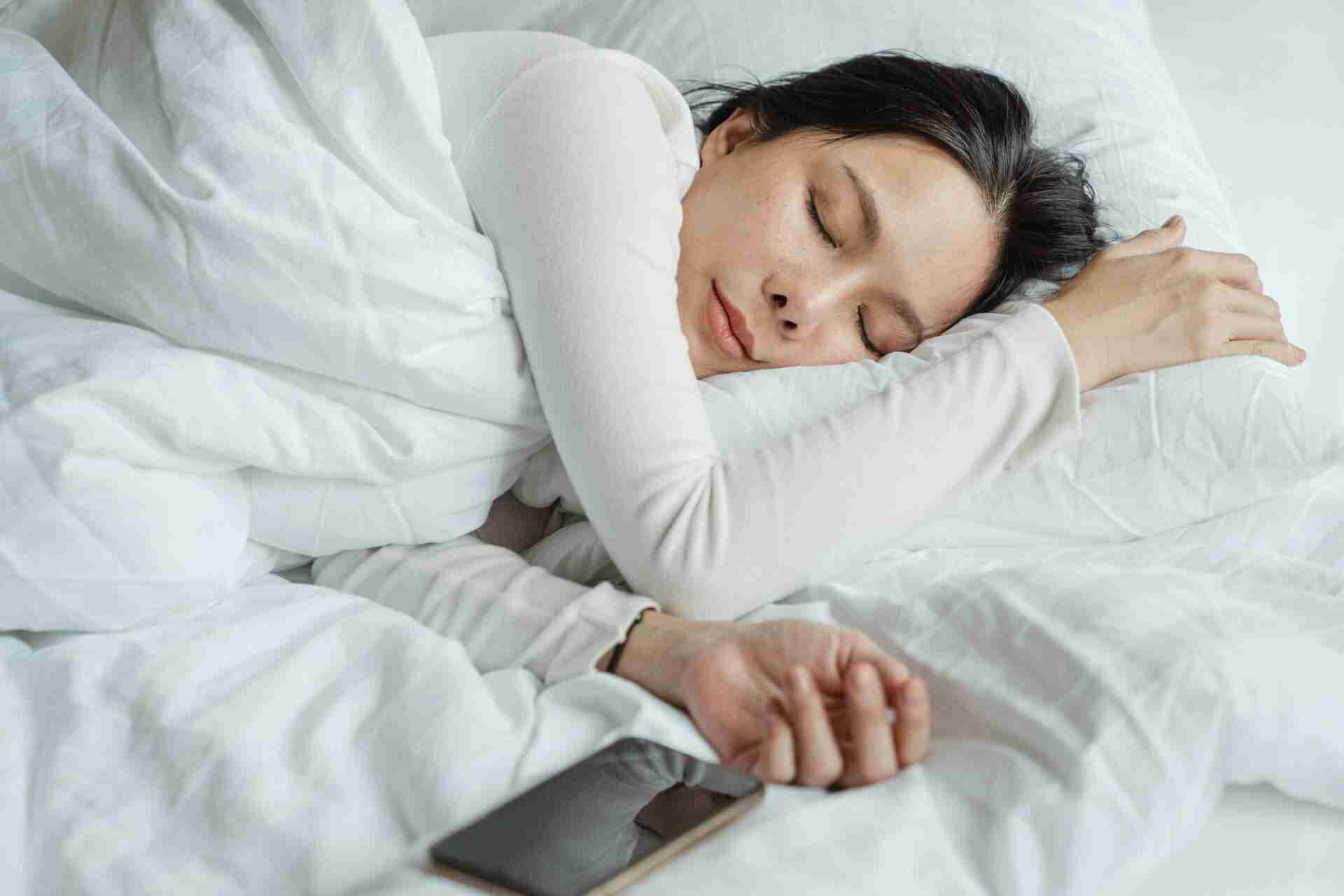
Many people struggle to get good sleep each night. They wake up tired, have trouble falling asleep, or find themselves awake in the middle of the night. The vagus nerve might hold a key to solving these problems. This long nerve connects the brain to many organs in the body and plays a major role in how the body relaxes and prepares for rest.
Vagus nerve stimulation activates the body’s natural relaxation response, which helps lower heart rate, reduce stress, and create the right conditions for deep, restful sleep. The vagus nerve controls the parasympathetic nervous system, often called the “rest and digest” system. This system works opposite to the “fight or flight” response that keeps people alert and awake. As a result, proper vagus nerve function can make a real difference in sleep quality.
The connection between the vagus nerve and sleep goes beyond simple relaxation. This nerve affects neurotransmitter levels in the brain, including GABA, which has calming effects. People can use several methods to stimulate this nerve, from simple exercises like deep breathing to modern devices designed for this purpose. The article ahead explores how vagus nerve stimulation works for sleep and what methods people can try to improve their rest.
How Vagus Nerve Stimulation Improves Deep Sleep
The vagus nerve affects sleep through its direct connection to relaxation pathways and stress response systems. Specific stimulation methods activate these pathways to promote better rest quality and address common sleep problems.
The Role of the Vagus Nerve in Sleep Architecture
The vagus nerve controls the parasympathetic nervous system, which regulates the body’s ability to transition into restful states. This nerve sends signals between the brain and major organs to coordinate heart rate, breathing patterns, and digestion during different sleep stages.
Sleep architecture depends on smooth transitions between light sleep, deep sleep, and REM cycles. The vagus nerve helps manage these transitions through its regulation of physiological arousal levels. A well-functioning vagus nerve allows the body to move through sleep cycles without disruption.
Research shows that stronger vagal tone correlates with better sleep continuity. People with higher vagal activity tend to spend more time in restorative sleep stages. The nerve’s influence extends to the circadian rhythm, helping synchronize internal body clocks with natural light-dark patterns.
Mechanisms of Vagus Nerve Stimulation on Sleep Quality
Vagus nerve stimulation for sleep works by activating the parasympathetic response that counteracts stress. This activation lowers heart rate and blood pressure to create conditions favorable for rest. The body interprets these signals as cues to prepare for sleep.
Stimulation techniques reduce inflammation markers that often disrupt sleep patterns. Lower inflammation levels help maintain uninterrupted rest throughout the night. The vagus nerve also influences neurotransmitter release, particularly GABA and serotonin, which support relaxation and mood stability.
Different stimulation methods produce varying effects on sleep quality. Deep breathing exercises activate the nerve through respiratory changes. Cold exposure triggers vagal responses through temperature sensors in the skin. Device-based approaches deliver consistent signals at specific intervals to maintain parasympathetic activity during rest periods.
Vagus Nerve Stimulation for Insomnia and Sleep Disorders
Insomnia often stems from an overactive sympathetic nervous system that prevents proper relaxation. Vagus nerve stimulation helps restore balance between the stress and rest systems. This rebalancing addresses the root cause of difficulty with sleep onset and maintenance.
Studies in epilepsy patients reveal mixed results regarding sleep quality after stimulation device implantation. Some research found improvements in daytime alertness and subjective sleep quality. However, other studies noted increased sleep apnea severity in certain patients.
Evidence suggests that stimulation parameters matter significantly for outcomes. Intensity levels, frequency of pulses, and duration of treatment all affect results. Age and underlying health conditions may influence individual responses to stimulation methods. Non-invasive approaches like breathing exercises and cold therapy offer safer entry points for people with general sleep complaints compared to implanted devices.
Techniques and Devices to Stimulate the Vagus Nerve for Better Sleep
Several methods can activate the vagus nerve to promote better rest, from simple breathing exercises to modern electronic devices. These approaches work by calming the nervous system and helping the body shift into a relaxed state that supports quality sleep.
Non-Invasive Vagus Nerve Stimulation Methods
Various vagus nerve exercises for sleep offer natural ways to activate this nerve without medical procedures. Cold exposure provides one effective approach. A person can splash cold water on their face or take a brief cold shower to trigger the vagus nerve and reduce stress levels.
Ear massage targets the auricular branch of the vagus nerve. Gentle pressure applied to the outer ear, particularly the tragus area, can stimulate this nerve pathway. A person should use slow, circular motions for about 30 seconds on each ear.
Transcutaneous auricular vagus nerve stimulation (tAVNS) offers another option. This technique uses mild electrical pulses applied to the ear. Unlike invasive VNS therapy, transcutaneous VNS requires no surgery and people can use it at home.
Gentle stretching before bed activates the vagus nerve through body movement. Neck rolls, shoulder stretches, and light yoga poses help release tension. These movements signal the body to relax and prepare for rest.
Progressive muscle relaxation combines physical and mental techniques. A person tenses and then releases different muscle groups, which increases vagal tone and reduces overall tension in the body.
Deep Breathing, Belly Breathing, and Relaxation Techniques
Deep breathing serves as one of the most accessible vagus nerve activation techniques. Slow, controlled breaths directly stimulate the vagus nerve and shift the body toward a calm state.
Diaphragmatic breathing, also called belly breathing, focuses air flow deep into the lungs. A person places one hand on their chest and another on their belly. The stomach should rise more than the chest with each breath. This deep belly breathing pattern activates the parasympathetic nervous system.
To practice deep belly breath exercises, a person should inhale slowly through the nose for four counts. They then hold for two counts and exhale through the mouth for six counts. This extended exhale stimulates the vagus nerve more effectively.
Box breathing offers another structured approach. It involves four equal parts: inhale for four counts, hold for four counts, exhale for four counts, and hold again for four counts. This rhythm helps calm the nervous system before bed.
Relaxation techniques work best with consistent practice. A person should set aside 5-10 minutes each evening to focus on breath work. Regular practice improves sleep quality and helps someone fall asleep faster over time.
Incorporating Vagus Nerve Stimulation into Sleep Routines
A consistent sleep schedule supports vagus nerve function. The body responds better to vagus nerve stimulation techniques with a regular bedtime routine. A person should aim to sleep and wake at the same times daily.
Sleep hygiene practices pair well with vagus nerve exercises. The bedroom should stay cool, dark, and quiet. These conditions help maintain the relaxed state created by vagus nerve activation.
Vagus nerve stimulation devices provide another tool for the bedtime routine. These electronic devices deliver gentle pulses to stimulate the nerve. Most people use them for 10-20 minutes before sleep. The devices help increase vagal tone and prepare the body for rest.
A complete sleep routine might include several steps. First, a person can do 5 minutes of deep breathing. Next, they might use a transcutaneous vagus nerve stimulation device. Finally, gentle stretching or progressive muscle relaxation can complete the sequence.
Stress management throughout the day also matters. Regular vagus nerve activation builds stress resilience. People who practice these techniques report better morning alertness and an improved ability to stay asleep through the night.
The timing of these practices affects results. Most people benefit from vagus nerve exercises 30-60 minutes before bed. This window allows the nervous system enough time to shift into a calm state that supports deeper, more restorative sleep.
Conclusion
Vagus nerve stimulation offers a practical approach to address sleep challenges through its influence on the parasympathetic nervous system. Research shows that VNS methods can help reduce stress and promote relaxation, which creates better conditions for rest. However, people should note that medical-grade VNS devices have shown mixed results in sleep quality studies, and some research indicates a potential link to sleep apnea in certain cases.
Non-invasive techniques like deep breathing, cold exposure, and gentle exercises provide accessible options for those who want to support their sleep naturally. As science continues to explore this area, individuals can experiment with simple VNS methods to see what works best for their unique needs.
This article is for informational purposes only and is not medical advice. Always check with a healthcare professional before using vagus nerve devices, as results and safety can vary.

Carla Corelli, a writer, advocate, and survivor of narcissistic abuse, draws from her own upbringing with a narcissistic father to shed light on psychological trauma. Fueled by her personal journey, she pursued a degree in psychology and has dedicated herself to shedding light on the complexities of narcissistic abuse.
With over fifteen years of experience in writing and advocating for survivors, Carla is deeply committed to providing support, education, and empowerment to those who have endured similar trauma. Through her articles, Carla aims to offer a compassionate space for healing and growth, while advocating for greater awareness and understanding of narcissistic abuse.
More info about Carla
Our editorial policy