
Last updated on October 6th, 2024
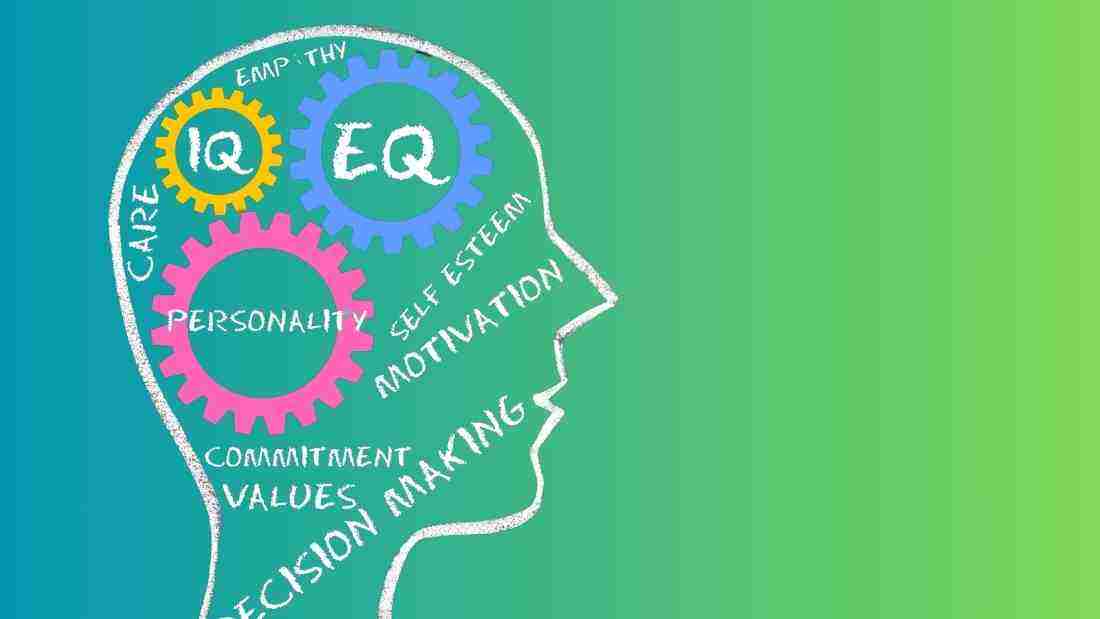
Travis Bradberry’s Emotional Intelligence 2.0 offers a captivating insight into the realm of emotional intelligence (EQ) and its transformative potential. The book has a smooth narrative style, making complex concepts memorable and actionable.
Bradberry offers a number of practical strategies designed to enhance emotional intelligence and foster personal and professional growth.
These strategies provide actionable steps for readers to develop and apply emotional intelligence in their daily lives.
A New Perspective on Mind and Behavior
Travis Bradberry underscores the intricate relationship between the mind and behavior, advocating that our emotional responses and behavioral patterns are deeply interconnected.
He posits that emotional intelligence acts as a mediator between the stimuli we encounter and our reactions to them.
Bradberry suggests that by understanding and managing our emotions, we can make deliberate choices in our responses, rather than being led by raw feelings.
This conscious engagement with our emotions enables us to behave in ways that are more aligned with our goals and values, ultimately leading to more positive outcomes in both personal and professional spheres.
By mastering emotional intelligence, individuals can transform reactive behaviors into thoughtful actions, fostering better communication, improved relationships, and enhanced decision-making skills.

Book Review
Bradberry’s Emotional Intelligence 2.0 cuts to the chase with its succinct, engaging, and, most importantly, actionable content.
His writing fuses scientific insight with practical applications, making the ambiguous concept of EQ not only understandable but also attainable.
The book consists of several sections. It starts with the basics — what EQ is, and why it’s critical to personal and professional success.
It then goes on to provide strategies to measure your EQ, followed by prescriptive guidance that walks you through the steps of improving those skills.
Finally, it offers insights into how increased emotional intelligence can transform your life, from enhancing your relationships to managing your stress levels more effectively.

Understanding the Mechanics
In the first few chapters of the book, readers are introduced to the significant impact of EQ.
A key takeaway is the emphasis on the dichotomy of the limbic system versus the neocortex — the former entwined with our emotional responses, the latter symbolic of rational thought.
The book contends that honing EQ is akin to building a superhighway between these two cognitive centers, facilitating a powerful new approach to decision-making and interpersonal interactions.

Self-Reflection and Change
Central to the philosophy of Bradberry’s approach is the understanding that EQ is not a fixed intelligence, but one that can be deliberately cultivated.
The author provides tangible strategies, including intriguing self-assessment tools, to catalyze this transformation.
The goal is to encourage the reader to take a critical look at themselves and chart the course for behavioral change.
The book’s second part is a treasure trove of actionable tips.
Through anecdotes, figures, and exercises, Bradberry not only explains the nuances of emotional intelligence but also how to weave it into the fabric of one’s daily life.
The reader is offered a chance to rewire their cognitive processes and, subsequently, their behavioral patterns.
The Unfolding of Emotional Intelligence
In Emotional Intelligence 2.0, Travis Bradberry unfolds the concept of emotional intelligence in a manner that is accessible and resonant.
He clearly explains why EQ is not merely a set of academic concepts, but a living, breathing aspect of our daily interactions and decisions.
Bradberry describes the four core skills of emotional intelligence: self-awareness, self-management, social awareness, and relationship management.
Each of these skills represents a fundamental aspect of EQ, and Bradberry dissects their importance, providing the reader with a clear roadmap to enhancing each one.
The narrative then transitions into real-world applications, illustrating through vivid examples and stories how a heightened level of emotional intelligence can lead to success in various aspects of life.
From overcoming conflict in the workplace to nurturing more profound personal relationships, the book paints a comprehensive picture of how EQ influences our lives.
Furthermore, Bradberry emphasizes the dynamic nature of EQ, arguing that it evolves and strengthens over time with conscious effort and practice.
He reassures readers that regardless of their starting point, there is immense potential for growth in emotional intelligence, which can profoundly impact their quality of life.
This section of the book not only educates but also empowers readers, equipping them with the knowledge and tools necessary for personal and professional development.

Actionable Tips for Enhancing Your EQ
The following are some examples of the actionable tips provided by Bradberry in his book.
Practice Active Listening: Bradberry emphasizes the importance of active listening in fostering empathy and understanding in conversations. He suggests that by focusing fully on the speaker, without formulating responses while listening, individuals can improve their social awareness and subsequently strengthen their relationships.
The Pause Technique: One of the book’s most practical tips involves the simple act of pausing before responding to emotionally charged situations. This pause allows for the engagement of rational thought processes, facilitating more measured and effective responses.
Journaling for Self-Reflection: Bradberry advocates for regular journaling as a tool for increasing self-awareness. By reflecting on daily experiences and the emotions they evoke, individuals can gain insights into their emotional patterns and triggers, paving the way for personal growth.
Gratitude Reflection: Another tip involves the daily practice of gratitude, where individuals reflect on and jot down things they are grateful for. This will empower you to shift focus from negative to positive aspects of your life, improving your overall happiness and satisfaction.
Body Language Awareness: Bradberry also highlights the role of non-verbal communication in EQ, advising readers to become more aware of their body language and the signals they send. Adjusting posture, maintaining eye contact, and mindful facial expressions can enhance one’s relationship management skills by fostering positive interactions.
These examples illustrate Bradberry’s approach to improving one’s emotional intelligence through simple, yet effective, practices. Each tip not only serves to enhance individual aspects of EQ but also contributes to a more insightful, empathetic, and effective way of navigating the complexities of personal and professional relationships.

The Final Verdict
In conclusion, Emotional Intelligence 2.0 has proven to be an invaluable resource due to its practical and actionable approach. It is a must-read for anyone seeking to understand and cultivate their emotional intelligence.
The book’s insightful strategies for cultivating self-awareness, self-regulation, empathy, and social skills have provided me with a comprehensive toolkit to apply these concepts in my everyday life, making Emotional Intelligence 2.0 an indispensable guide for ongoing personal and professional growth.
Related Posts
Hygge – how the Danish became the happiest people in the world
The Joy of Burnout by Dr Dina Glouberman
Go Suck a Lemon – How to improve your Emotional Intelligence

Carla Corelli, a writer, advocate, and survivor of narcissistic abuse, draws from her own upbringing with a narcissistic father to shed light on psychological trauma. Fueled by her personal journey, she pursued a degree in psychology and has dedicated herself to shedding light on the complexities of narcissistic abuse.
With over fifteen years of experience in writing and advocating for survivors, Carla is deeply committed to providing support, education, and empowerment to those who have endured similar trauma. Through her articles, Carla aims to offer a compassionate space for healing and growth, while advocating for greater awareness and understanding of narcissistic abuse.
More info about Carla
Our editorial policy