How to Confront Emotional Abuse from a Narcissistic Sister

Experiencing emotional abuse by a narcissistic sister can take a serious toll on your mental and emotional wellbeing.

This section is dedicated specifically to understanding and navigating the labyrinth of narcissistic families, going into the far-reaching effects of narcissistic abuse on each family member, from the spouse caught in the crossfire to the children who grow up under the shadow of a narcissistic parent.
Experiencing emotional abuse by a narcissistic sister can take a serious toll on your mental and emotional wellbeing.

For years, I had been trapped in a web of emotional and psychological abuse inflicted by my narcissistic father, unable to understand why and how he was slowly but surely eroding my sense of self-worth.

With the right tools and resources in place, the golden grandchild has a chance to undo the damage caused by their narcissistic grandmother and live a life of growth, resilience, and joy.

The best way to handle a family smear campaign is to remain firm and stay true to yourself. Take the time to communicate with other members of the family in a respectful manner, express your point of view calmly, and take note of any progress made.

Narcissists may indeed demonstrate some forms of love or emotional connection with their mothers, but their feelings are often transactional.
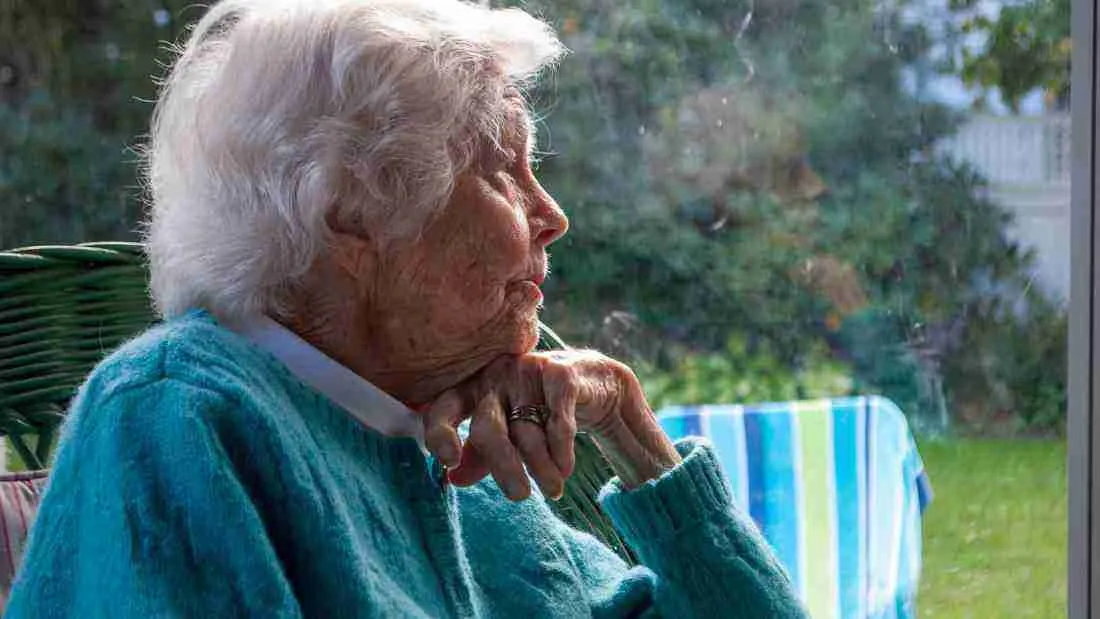
Dealing with a covert narcissistic grandmother can be an incredibly difficult situation to navigate.

Narcissistic mothers often treat their daughters like extensions of themselves instead of as individuals, expecting them to fulfil parental roles or to see the world from their point of view.

Narcissistic mothers are poison for their children. Their manipulative, controlling, and often abusive behaviour leads to lasting emotional damage that continues to wreak havoc in their children’s lives well into adulthood.
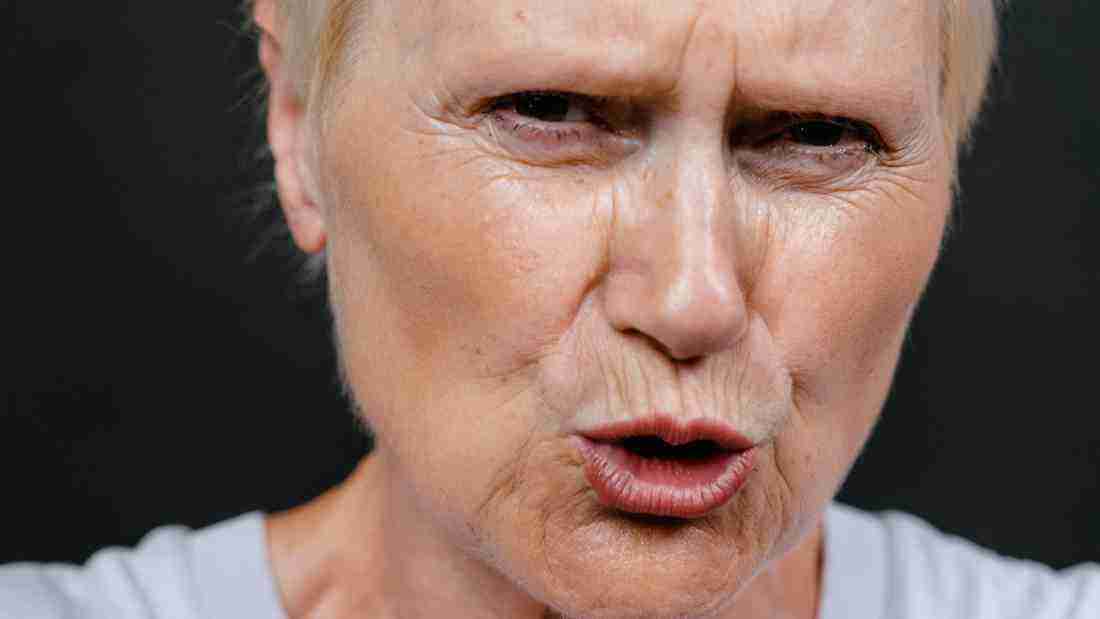
Whatever the type, all forms of narcissistic parenting have damaging effects on a child’s development.

Growing up with a narcissistic mother can be difficult but recognizing these 25 characteristics can help you gain insight into how these behaviours impacted your life and allow you to move forward in your healing journey with greater understanding and compassion towards yourself.