

Last updated on October 6th, 2024
The silent treatment is a manipulative tactic that involves withholding communication from someone who desires it. It is often used to inflict punishment or assert power in a relationship.
Despite its seemingly quiet nature, the impact of the silent treatment can be profound, evoking feelings of frustration, isolation, and helplessness in the recipient. In this post, we will explore ten insightful quotes about the silent treatment and delve into their meaning.
Through these reflections, we aim to gain a better understanding of how the silent treatment affects individuals and relationships.
Understanding the Silent Treatment
The silent treatment is a form of emotional manipulation where one person refuses to communicate with another. It’s often used to express disapproval, exert control, or punish in a relationship.
The person on the receiving end is met with complete silence, making them feel rejected and excluded.
The silent treatment can happen in different relationships, including romantic, friendships, and professional settings. Mental health professionals recognize it as a non-verbal form of emotional abuse.

Quotes about the Silent Treatment
“Silence is the most powerful scream.”
Unknown
When communication breaks down, silence can speak volumes.
This quote emphasizes that the lack of verbal response is a loud message in itself.
The silent treatment ‘screams’ many things: anger, the need for space, or a desire for control.
It can be challenging to interpret what the silence means, but the message it sends can be just as hurtful and confusing as words spoken in anger.
“The silent treatment is the destroyer of self-esteem and a recipe for alienation.”
John Gottman
John Gottman, a renowned relationship expert, highlights the destructive power of the silent treatment.
By denying acknowledgment and communication, the individual administering the silent treatment can erode the recipient’s self-worth.
Alienation creeps in as the psychological distance between individuals grows, disrupting any foundation of mutual respect and understanding.

“Silence is a relationship killer…it is a form of emotional abuse.”
Unknown
Labeling silence as lethal, this quote focuses on how the silent treatment can be considered a form of emotional abuse.
Such behavior can be used to manipulate and control another person, damaging the trust and bond shared in a relationship.
The inability or refusal to communicate drives a wedge between people – one that sometimes proves to be irreparable.
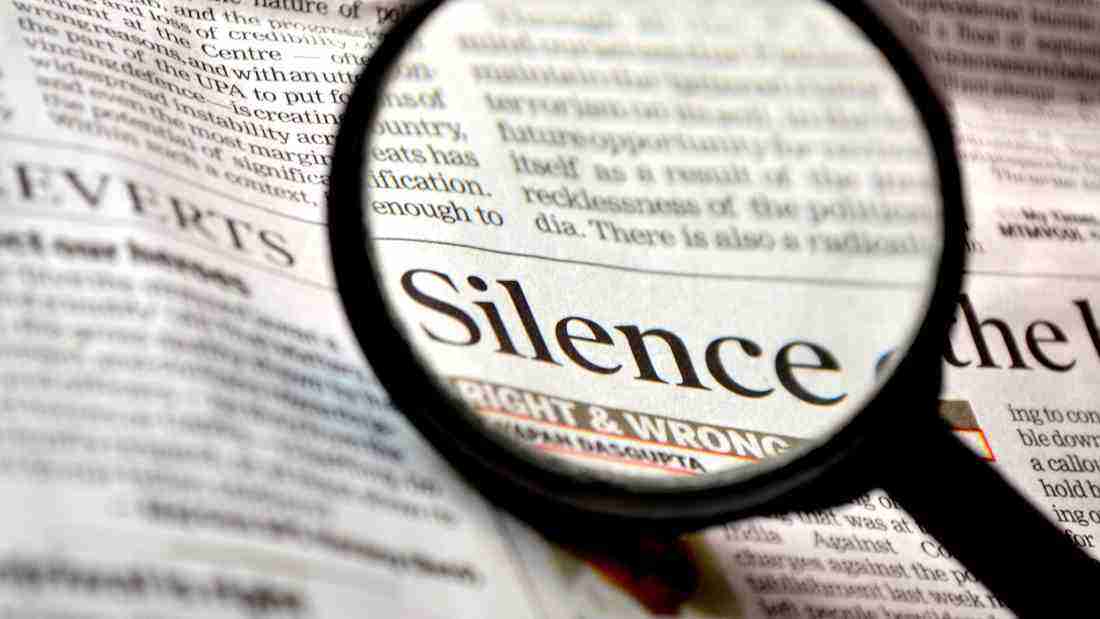
“When silence is used as a weapon it can wound even more than words.”
Jill P. Weber, Ph.D.
Dr. Weber, a clinical psychologist, offers insight into the silent treatment’s often underestimated potential for harm.
Silence can indeed wound, sometimes more than an onslaught of hurtful words because it leaves the wounded party ruminating over their perceived misdeeds without the possibility of resolution or closure.

“Withholding communication is an attempt to demonstrate control, but it can spiral out of control and lead to unintended consequences.”
Psychology Today
This perspective from Psychology Today suggests that while the silent treatment is employed to assert dominance, it’s a strategy that can quickly backfire.
The stifling silence can incite more significant issues, such as built-up resentment, which may trigger an unfavorable chain reaction in the dynamics of a relationship.
“The silent treatment is not a coping mechanism, it’s emotional warfare.”
Charles F. Glassman
Taking a firm stand, Charles Glassman, a coach and physician, labels the silent treatment as a tactless act of emotional aggression rather than conventional wisdom’s coping strategy.
His viewpoint suggests that using silence is engaging in a clandestine battle that risks the emotional wellbeing of both parties involved.

“Silence, when used intentionally, can crush one’s soul.”
Asa Don Brown
The deliberate use of silence can profoundly affect someone’s mental and emotional health.
When the silent treatment is wielded with intent, it has the potential to leave deep emotional scars that extend far beyond the temporary engagement in silence.

“Using the silent treatment is like using sarcasm, it may be effective in the moment, but it can leave lasting damage to the relationship.”
Aaron Karmin, LCPC
Aaron Karmin’s quote proposes a parallel between the silent treatment and sarcasm, noting that while it may serve its short-term purpose, it can have residual effects that eat away at the foundations of a relationship.
“The silent treatment is being sentenced without committing a crime.”
Kevin Darné
Author Kevin Darné plays on the imagery of judgment and punishment without due process.
His words strike at the heart of the silent treatment, an involuntary isolation imposed on an individual often without a clear understanding of the reason for being treated that way.

“The silent treatment is a passive-aggressive act that can speak louder than venomous words.”
Liane White
Finally, Liane White encapsulates the silent treatment’s nature as passive-aggressive behavior where the absence of communication can have a louder impact than confrontational words.
The silence is steeped in aggression, though it presents itself as a passive act.

Conclusion
In exploring the impact of the silent treatment through these quotes, it quickly becomes evident that silence can be anything but golden. Far from being a benign retreat, the silent treatment carries with it a payload of emotional subtext, resonance, and impact, each capable of fundamentally altering relationships.
While navigating difficult conversations or relationship dynamics, it’s critical to find healthy forms of communication that respect the dignity of all involved. As these quotes suggest, opting for dialogue over silence often paves the way for understanding, healing, and growth.
Remember, if you’re on the receiving end of the silent treatment, seek support from friends, family, or professionals who can provide guidance. And if you’re prone to using the silent treatment, consider the long-term effects it may have on those around you and your relationships. Open communication remains the keystone of any strong and healthy relationship.
Related Posts
Surviving Narcissistic Silent Treatment and Regaining Your Power
Ghosting a Narcissist – The Ultimate Guide to Cutting Ties
Love Bombing Then Ghosting: An Emotional Roller-Coaster
Narcissist Stonewalling Examples: A Destructive Manipulative Tactic

Carla Corelli, a writer, advocate, and survivor of narcissistic abuse, draws from her own upbringing with a narcissistic father to shed light on psychological trauma. Fueled by her personal journey, she pursued a degree in psychology and has dedicated herself to shedding light on the complexities of narcissistic abuse.
With over fifteen years of experience in writing and advocating for survivors, Carla is deeply committed to providing support, education, and empowerment to those who have endured similar trauma. Through her articles, Carla aims to offer a compassionate space for healing and growth, while advocating for greater awareness and understanding of narcissistic abuse.
More info about Carla
Our editorial policy