

Last updated on October 23rd, 2024
The connection between empaths and narcissists might seem like an unlikely pairing at first glance. An empath is someone who is highly sensitive to the emotions of others and can easily pick up on both positive and negative energies from other people.
A narcissist, on the other hand, is someone who is not blessed with much empathy, but has an inflated sense of self-importance and an insatiable need for attention.
However, while it might seem counterintuitive at first, it makes sense that empaths attract narcissists.
Empaths are generous, compassionate individuals who have a deep understanding of the emotions of others.
On the other hand, narcissists are selfish and manipulative, and they prioritize their own needs above those of anyone else.
Seen from the perspective of a narcissist, an empath can provide a seemingly perfect match – someone who is generous and giving, yet naïve enough to be taken advantage of.
In this blog post we will explore why empaths attract narcissists and how empaths can protect themselves from being manipulated by narcissistic partners.
We’ll also look at ways that empaths can differentiate between healthy relationships and non-reciprocal ones in which they are solely providing emotional labor for their narcissistic partners.

Why Empaths Attract Narcissists
Empaths have a natural inclination towards generosity and selflessness.
They genuinely care about the well-being of others and are willing to go above and beyond to help those in need.
Narcissistic partners, who are primarily focused on their own desires and needs, can easily take advantage of this trait.
Narcissists recognize the empath’s generous nature and exploit it for their own benefit.
They will not hesitate to manipulate the empath into fulfilling their desires, without feeling any obligation to reciprocate the same level of kindness or consideration.
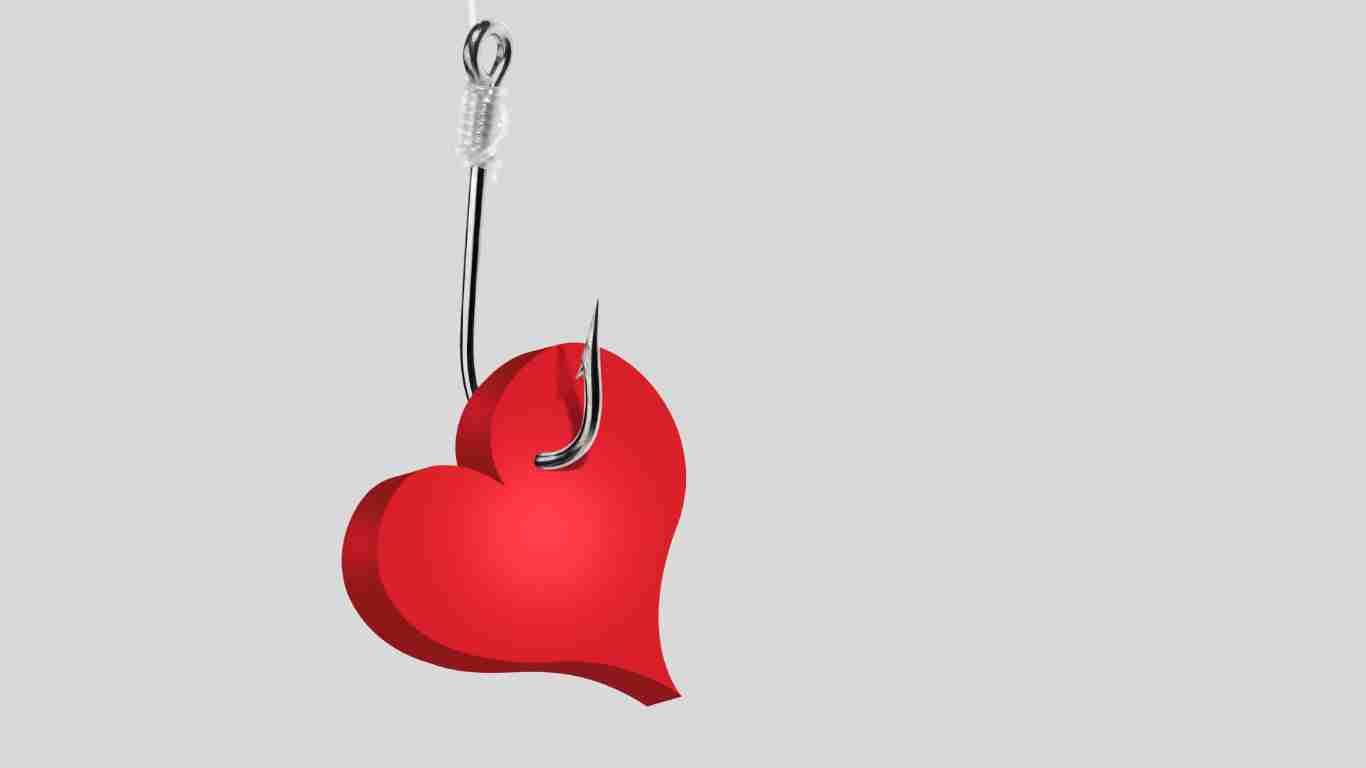
Vulnerability and Manipulation
Another reason why empaths attract narcissists is their inherent vulnerability or naivety.
Empaths are highly attuned to the emotions and needs of others, which can make them more susceptible to manipulation.
Narcissists are skilled manipulators who can use subtle tactics such as gaslighting or guilt-tripping to keep the empath under their control.
Gaslighting is a form of psychological manipulation where the narcissist distorts the empath’s perception of reality, making them doubt their own thoughts, feelings, and experiences.
This can leave the empath feeling confused, isolated, and dependent on the narcissist for validation and guidance.
Guilt-tripping is another tactic used by narcissists to manipulate empaths.
They use emotional manipulation to make the empath feel responsible for the narcissist’s unhappiness or dissatisfaction, thus keeping them trapped in the relationship.
The Magnetism of Intense Emotions
There is often an intense emotional connection between empaths and narcissists.
Empaths possess a deep emotional capacity and can provide the narcissist with the intensity they crave in a relationship.
Initially, this emotional depth and understanding can be appealing to the narcissist.
However, over time, the narcissist will exploit this emotional vulnerability to their advantage, using it to manipulate and control the empath.
Validation and Comfort
Empaths, due to their caring nature, often seek validation through helping others.
They find comfort in being needed and valued by others, even if it means sacrificing their own needs.
Narcissists, with their constant need for attention and admiration, provide a source of validation that can be enticing to empaths.
This codependent dynamic can keep the empath hooked in the relationship, despite the toxic aspects.

The Vulnerability of Empaths to Manipulation by Narcissists
Paradoxically, empaths may be initially drawn to narcissists because they sense the narcissist’s desperate need for validation.
Empaths believe that their love and support can heal the deep wounds at the core of the narcissist’s pain.
They genuinely want to help and believe in the power of their compassion.
Unfortunately, this belief is often misguided.
The Illusion of Healing
Empaths enter into relationships with narcissists hoping to bring about positive change.
They believe that by offering love and support, they can fill the emotional void within the narcissist.
However, no matter how much love and care empaths give, it never seems to be enough.
The narcissist’s insatiable need for validation and admiration creates an endless pit that cannot be filled by the empath’s efforts alone.
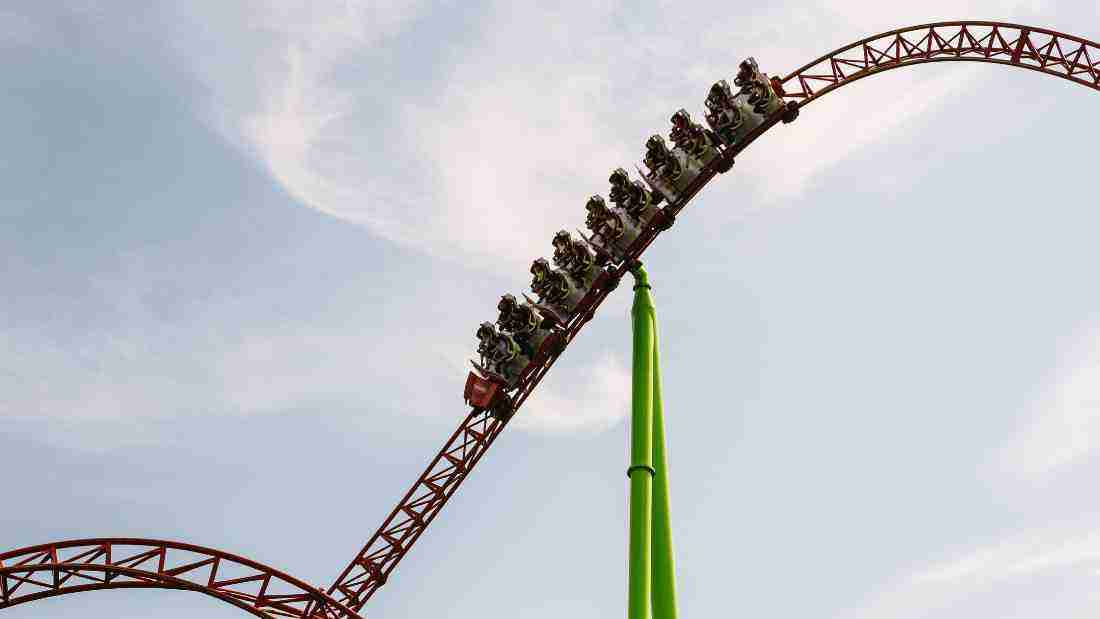
The Emotional Rollercoaster
In relationships between empaths and narcissists, emotions run high.
Empaths possess a deep well of emotions, and narcissists are attracted to and thrive on intense emotional experiences.
Initially, this emotional intensity may seem appealing to both parties, creating a bond between them.
However, as the relationship progresses, the narcissist uses these emotions to manipulate and control the empath, creating an unhealthy and toxic dynamic.
How Empaths Can Protect Themselves from Narcissists
Relationships with narcissists can be incredibly damaging for empaths, and it’s important for them to recognize the warning signs that indicate they may be in an unhealthy relationship.
The most important thing for empaths to do is to remain aware of their own feelings, boundaries, and well-being.
If something doesn’t feel right or if a partner is attempting to manipulate them, then it’s best to take a step back and reassess the situation.
Building up self-confidence and cultivating inner strength are also essential tools which can help an empath protect themselves from being taken advantage of by a narcissistic partner.
It’s also important to make sure both parties are receiving equal benefit from the relationship rather than one person doing all the giving while the other takes continuously.
Setting clear boundaries right at the beginning of the relationship can help ensure that neither party crosses any lines of respect or decency.
Ultimately, by recognizing the signs of manipulative behavior early on and setting healthy limits for oneself and one’s partner, empaths can protect themselves from getting trapped in a toxic relationship with a narcissist.

Are all Empath-Narcissist Relationships Doomed to Fail?
It is often said that relationships between empaths and narcissists are doomed to fail, but this is not necessarily the case.
While it is true that these relationships can be more strained due to the potential for manipulation and exploitation of the empath’s feelings, it is possible for a healthy connection to still exist between two very different individuals.
When both parties put in the effort to meet each other halfway, have honest conversations about their needs and wants, and make sure that respect is given on both sides, then it’s possible for an empath-narcissist relationship to thrive.
The key is learning how to navigate each other’s differences while also recognizing when a break or a change in approach may be needed.
A successful relationship between an empath and a narcissist requires patience, understanding, and goodwill on both parts.
It definitely will not be easy but with effort and commitment it can work out for everyone involved.
Ultimately, all relationships require work – no matter what kind of combination of personalities – but just because one involves an empath and a narcissist does not mean that it’s automatically doomed from the start.

Final Thoughts
Empaths attract narcissists because they are trusting, compassionate and understanding people – traits which narcissists find appealing.
The resulting relationship has the potential to become the match made in hell because of the potential for manipulation and abuse from the narcissist, which may cause long-term emotional damage to the empath.
However, it is possible for these relationships to work out. This would require an equal commitment from both parties to recognize each other’s differences and actively seek out ways to understand and connect.
Related Posts
What Happens when an Empath Marries a Narcissist?
The Toxic Relationship Between an Empath and a Narcissist
10 Signs You’re Dealing with an Empathic Narcissist
How to Cope with Trauma and Anxiety as an Empath
Managing Stress as an Empath – Practical Tips and Strategies
The Danger of Projection in Interactions between Narcissists and Empaths

Carla Corelli, a writer, advocate, and survivor of narcissistic abuse, draws from her own upbringing with a narcissistic father to shed light on psychological trauma. Fueled by her personal journey, she pursued a degree in psychology and has dedicated herself to shedding light on the complexities of narcissistic abuse.
With over fifteen years of experience in writing and advocating for survivors, Carla is deeply committed to providing support, education, and empowerment to those who have endured similar trauma. Through her articles, Carla aims to offer a compassionate space for healing and growth, while advocating for greater awareness and understanding of narcissistic abuse.
More info about Carla
Our editorial policy