

Last updated on October 7th, 2024
Navigating the murky waters of relationships is a complex task, and it becomes particularly difficult when deception seeps in. This blog post aims to shed light on this universal struggle by exploring various quotes about lies in a relationship.
These quotes encapsulate the pain, confusion, and betrayal often associated with dishonesty in love.
“If you tell the truth, you don’t have to remember anything.” Mark Twain
This quote from Mark Twain is one of the most recognized quotes about the impact of lies in a relationship. It serves as a timeless reminder of the power and simplicity inherent in honesty.
Twain reminds us that embracing honesty streamlines life, acting as a compass that consistently points us in the right direction.
The truth, unlike fabricated stories or lies, remains constant and unchanging.
There’s a liberating simplicity in this, a freedom that comes from not having to keep track of a web of untruths.
Moreover, the quote underscores the value of transparency in fostering trust, intimacy, and longevity in relationships.
By telling the truth, we allow our relationships to be built on a solid foundation of trust and mutual respect.
Thus this quote isn’t just about avoiding the complications of dishonesty. It’s a mantra for cultivating authentic, enduring connections with others.
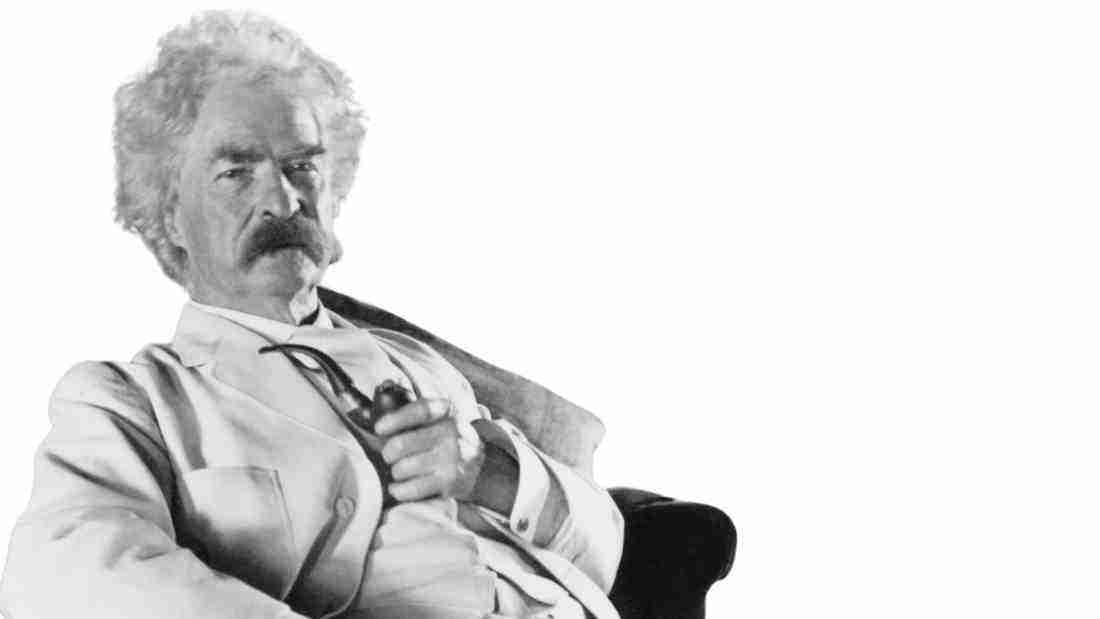
“I’m not upset that you lied to me, I’m upset that from now on I can’t believe you” Friedrich Nietzsche
Friedrich Nietzsche offers a potent commentary on the destructive aftermath of deceit in relationships.
This quote highlights a profound truth about the repercussions of dishonesty.
It articulates that the pain inflicted isn’t derived solely from the act of lying itself, but rather, it stems from the resulting erosion of trust that follows.
The real heartache lies in the realization that the faith you once placed in the person has been irreparably fractured, casting a shadow of doubt over all future interactions.
Nietzsche’s quote underscores the crucial role honesty plays in preserving the stability of any relationship. It reminds us that trust, once broken, is not easily mended.
Lies, no matter how insignificant they may seem at the moment, can create an enduring rift that forever alters the dynamics of a relationship.

“Oh, what a tangled web we weave, when first we practice to deceive!” Walter Scott
This timeless piece of wisdom from Sir Walter Scott serves as a stark reminder of the complexities and consequences of dishonesty.
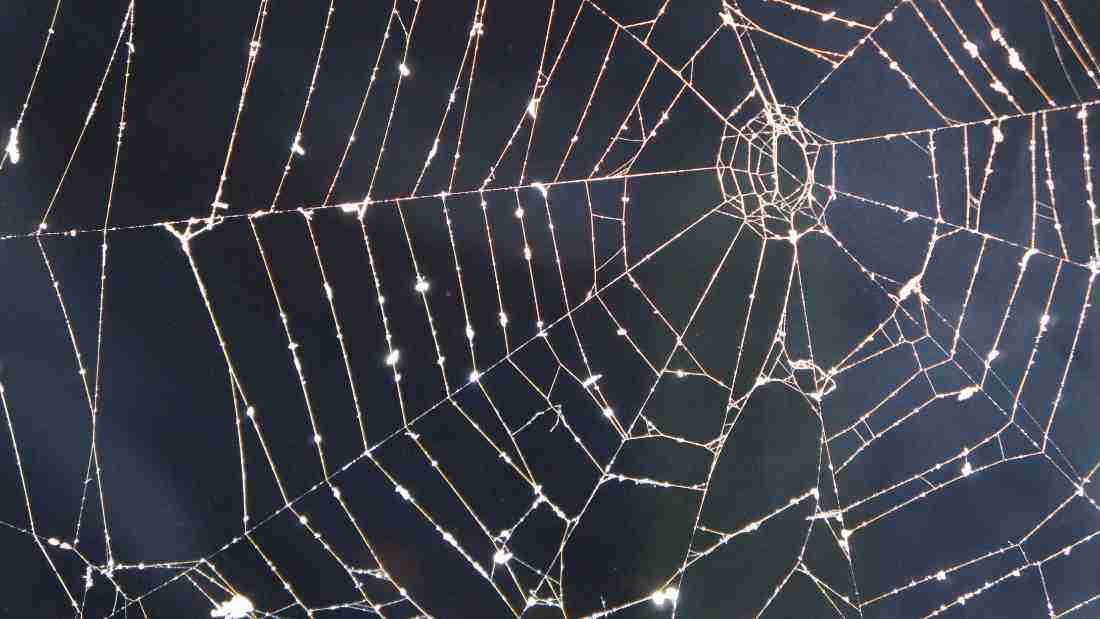
The quote paints a vivid image – a tangled web, a metaphor for the intricate maze of lies that can ensnare us when we succumb to dishonesty.
Much like a spider’s web, one lie leads to another, forming a complex network that becomes increasingly difficult to navigate.
This metaphorical web symbolizes the complications that arise from each lie told, and how these lies can trap us in a cycle of deceit.
This quote is particularly relevant in the context of romantic relationships. When applied to the dynamics of love and partnership, it underscores the potential turmoil that lying can introduce.
Each act of deception can lead to more lies, creating a convoluted web of untruths that can destabilize even the strongest of bonds.
Furthermore, this quote highlights how lies, once told in a relationship, are difficult to retract. The web of lies becomes a burden, causing strain and mistrust.
It reminds us that honesty, though sometimes challenging, is simpler and less damaging than the tangled, treacherous web woven by deceit.
“Whoever is careless with the truth in small matters cannot be trusted with important matters.” Albert Einstein
Albert Einstein, one of the most renowned scientists of the 20th century, reminds us that honesty is not just a virtue but a fundamental building block in all aspects of life, whether they’re monumental or minuscule.
The seemingly insignificant lies – the ones that are often dismissed as harmless or trivial – can steadily erode trust.
These small untruths can make a person question their partner’s integrity and reliability.
If someone can willingly deceive in minor situations, are they not even more likely to lie about larger, more consequential matters?
This thought can inject suspicion and doubt into the relationship, causing it to crumble over time.
Einstein’s wisdom emphasizes the importance of honesty at all times within a relationship. It’s not just about being truthful in significant moments, but also about maintaining transparency in daily interactions.
Whether it’s about who ate the last cookie, why you came home late, or how much you spent on that new outfit, every truth counts.
On the other hand, each lie, regardless of its size or intention, chips away at the foundation of that bond.
Thus, in the grand scheme of love and relationships, honesty isn’t just the best policy. It’s the only policy worth pursuing.

“The trouble with lying and deceiving is that their efficiency depends entirely upon a clear notion of the truth that the liar and deceiver wishes to hide.” Erica Jong
Erica Jong, an acclaimed American author and teacher, astutely observes that an often overlooked paradox of dishonesty is the fact that the effectiveness of a lie is intrinsically tied to the very truth it attempts to obscure.
Jong’s quote sheds light on the complex dynamics of deception.
It suggests that for a lie to be believable, the person telling it must have a firm grasp on the actual truth. They must understand the reality they’re trying to conceal intimately, to convincingly fabricate an alternative.
This inherent irony points to the enduring significance of truth, even in its absence.
The truth, then, maintains its importance, standing as a silent yet potent entity in the backdrop of every falsehood.
Jong’s insightful words remind us that, although hidden, the truth remains a pivotal element.
Its presence, or the lack thereof, can significantly influence the dynamics of a relationship. The absence of truth can breed suspicion, mistrust, and uncertainty, while its presence can foster trust, stability, and intimacy.
The quote also implies a profound suggestion. Rather than investing energy in crafting lies and maintaining deception, we should embrace the truth.
By doing so, we pave the way for more genuine, robust relationships.
Honesty, though sometimes challenging, allows for greater understanding, deeper connections, and ultimately, stronger bonds.
Final Thoughts
In conclusion, these quotes about the impact of lies in a relationship provide a window into the harsh reality of untruths in love.
They remind us of the importance of honesty, the pain of betrayal, and the complex nature of lies.
However, they also inspire hope, encouraging us to strive for truth and authenticity in our relationships.
Related Posts
70 Empowering Quotes On Self-Love To Uplift Your Spirit
Mindful Self Compassion: Embracing Kindness And Resilience
40 Funny Self-Love Quotes to Brighten Your Day
10 Uplifting Quotes about Resilience after the Breaking of Trust
Powerful Quotes About Walking on Eggshells
Overcoming Narcissistic Abuse – Inspiring Quotes from Survivors

Carla Corelli, a writer, advocate, and survivor of narcissistic abuse, draws from her own upbringing with a narcissistic father to shed light on psychological trauma. Fueled by her personal journey, she pursued a degree in psychology and has dedicated herself to shedding light on the complexities of narcissistic abuse.
With over fifteen years of experience in writing and advocating for survivors, Carla is deeply committed to providing support, education, and empowerment to those who have endured similar trauma. Through her articles, Carla aims to offer a compassionate space for healing and growth, while advocating for greater awareness and understanding of narcissistic abuse.
More info about Carla
Our editorial policy